Have you ever seen “jsp” in a text and had no idea what it meant? You are not alone. JSP is a simple piece of texting slang that shows up all over WhatsApp, Instagram, TikTok, and everyday messages. Once you know what it means, you will spot it everywhere and never feel confused again.
In this guide, we will explain exactly what JSP means, where it came from, and how real people use it in their daily conversations. Whether you are new to texting slang or just want to be sure you have got it right, this article covers everything in a simple and easy way.
JSP Meaning in Text – Quick Definition
JSP in texting means Just Playing. When someone sends you a message and adds jsp at the end, they are telling you they were joking or teasing and did not actually mean what they said. It is a short and casual way of saying relax, I was only messing around.
Simple Definition
JSP = Just Playing — I am joking, teasing, or being sarcastic. Do not take it seriously.
Quick Examples
Here are three fast examples so you can see how jsp looks in real messages:
“You are the worst friend ever… jsp 😂” — They are joking and actually love their friend.
“I hate this show… jsp I have watched every episode twice” — They were teasing and love the show.
“Never talk to me again… jsp relax” — They are being dramatic for fun, not serious at all.
Why It Matters
Without jsp, those messages above could easily cause confusion or hurt feelings. With it, everything becomes light and playful. That is the whole point of this little word. It protects the tone of a conversation.
Origin and Background of JSP
JSP comes from the phrase just playing. Before texting got fast and casual, people would write the whole thing out. Someone might say, I am just playing around, do not worry. Over time, just playing got shortened to jp, and then people started writing jsp as an alternative.
The extra S does not officially stand for a specific word but it became a natural part of how people typed it. Abbreviations like JSP grew popular because texting rewards speed.
Nobody wants to type a long sentence when three letters say the same thing just as clearly. So short forms like JSP became part of everyday digital vocabulary without anyone planning it that way.
Where It Came From
The phrase just playing has always been part of casual spoken conversation. Turning it into a text abbreviation was a natural next step as messaging apps became the main way people talked to each other. It followed the same pattern as JK and LOL before it.
Internet and Chat Culture Influence
Chat platforms like AIM, early SMS, and later WhatsApp and Instagram helped spread slang like JSP fast. When users see a word used consistently in comment sections and DMs, they pick it up quickly.
JSP spread the same way. Someone sees it, understands it from context, and starts using it themselves. That is the lifecycle of almost every piece of internet slang.
Why It Stuck Around
JSP has stayed popular because it solves a real problem. Text messages have no tone of voice, no facial expressions, and no body language. A joke can easily look like a genuine complaint. JSP fills that gap by acting as a written cue that says this was all in good fun.
Real-Life Conversations Using JSP
The best way to understand JSP is to see it used in actual conversations. Here are four examples based on the kinds of chats people have every day.
Conversation 1: WhatsApp Chat Between Friends
Person A: “You forgot my birthday. I cannot believe you.”
Person B: “What? No I did not! I sent you a message right at midnight!”
Person A: “jsp 😂 I know, you were literally the first one. I just wanted to see your reaction.”
Person B: “You genuinely scared me. My heart dropped.”
The jsp completely changed the tone here. Without it, Person B might have felt genuinely hurt. With it, the whole exchange became funny.
Conversation 2: Instagram DMs
Person A: “I saw you walking by me today and you did not even wave.”
Person B: “I had my headphones in, I promise I did not see you.”
Person A: “jsp lol I know, I just like watching you panic.”
Person B: “You are so chaotic. I almost typed a whole paragraph.”
Here JSP came in to let Person B know the whole thing was a set-up for a laugh. It kept things light after what could have been a tense exchange.
Conversation 3: Text Message Conversation
Person A: “I am deleting your number. We are done as friends.”
Person B: “What happened? Are you okay?”
Person A: “jsp I just woke up bored and dramatic. Good morning 😂”
Person B: “Please do not do that before I have had coffee.”
JSP saved this one immediately. What started as an alarming message turned into a funny good morning once the jsp landed.
Conversation 4: TikTok Comments
Person A: “This is the most boring video I have ever watched.”
Person B: “Then why are you here lol”
Person A: “jsp it is actually great. I have already watched it four times.”
This is a classic TikTok comment pattern where someone starts with criticism and then flips it with jsp to reveal they actually loved the content. It is a fun way to compliment creators.
Emotional and Psychological Meaning
JSP is more than just slang. It reflects something real about how people communicate online. Without facial expressions or tone of voice, text messages can easily be misread. JSP acts as a small but important signal that keeps conversations safe and friendly.
1. Playfulness
When someone uses JSP, they are showing they want to have fun with the conversation. They are not trying to start an argument or make you feel bad. They are teasing in the way a close friend would, knowing you will understand the joke.
2. Emotional Safety
JSP creates a comfortable space in conversations. It lets people say bold or exaggerated things without worrying about being taken the wrong way. Without it, many people would hold back their humor just to avoid any chance of hurting someone. JSP removes that hesitation.
3. Fear of Misunderstanding
A lot of people add jsp specifically because they know text can be tricky. What sounds obviously funny out loud can look cold or rude in a message. JSP is a simple fix that eliminates any chance of the joke landing wrong.
4. Personality Reflection
People who use JSP regularly tend to be easygoing, socially aware, and funny. They understand that humor in text needs a little extra support to land well. Using JSP shows emotional intelligence because you are actively looking out for the other person’s feelings even while joking around.
Usage in Different Contexts
JSP fits naturally in some places and feels completely out of place in others. Understanding where it works is just as important as knowing what it means.
Social Media
Social media is where JSP shows up most often. Instagram comments, TikTok replies, Twitter threads, and Snapchat chats are all full of it. The casual and fast-moving tone of social platforms makes JSP a perfect fit. It keeps banter light and prevents comment section drama.
Friends and Relationships
Between close friends, JSP is completely natural and widely used. Friends tease each other all the time and JSP is the easiest way to make sure that teasing stays fun. The closer the friendship, the more freely people use it because both sides already know the tone.
Romantic Relationships
In relationships, JSP often takes on a flirty feel. Saying something like “you are so annoying jsp” to a partner carries warmth and affection underneath the tease. Couples who joke around a lot use JSP regularly as part of their everyday texting rhythm.
Work or Professional Settings
JSP does not belong in professional communication. Do not use it in emails, Slack messages to coworkers, or anything work-related. It comes across as unprofessional and can confuse people who are not familiar with the slang. In those settings, stick to saying just kidding or I was being sarcastic.
Casual vs Serious Tone
JSP only works in casual, relaxed conversations. If someone is going through something emotional or serious, dropping a joke and adding jsp is not the right move. Read the tone of the conversation before you use it.
Common Misunderstandings
Even though JSP is simple, people misread it sometimes. Here are the three most common mistakes and what the truth actually is.
Misunderstanding 1: Thinking It’s Serious
If someone sends “I hate you jsp” and you only register the first two words, you might feel genuinely upset. The JSP completely changes the meaning. Always read the whole message before reacting. JSP at the end signals that nothing before it was meant seriously.
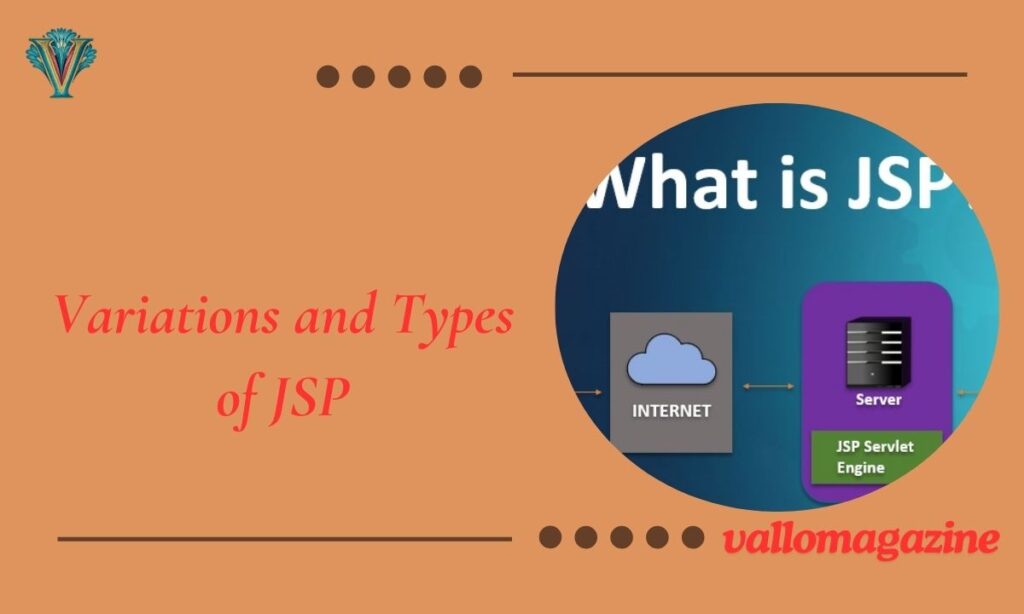
Misunderstanding 2: Confusing with Technical Meaning
In programming, JSP stands for JavaServer Pages, which is a web development technology. But in a casual text conversation, it almost always means just playing. Context makes it easy to tell the difference.
Misunderstanding 3: Thinking It’s Rude
JSP is actually the opposite of rude. It is specifically used to soften a message that might otherwise sound harsh. When someone adds it, they are trying to protect your feelings, not dismiss them.
When NOT to Use JSP
Avoid using JSP when someone is upset or going through something hard. If the mood is serious, adding a joke followed by jsp can feel dismissive and unkind. It can make the other person feel like their feelings are not being taken seriously.
Skip it in professional settings completely. Work emails, client messages, and academic communication are not the place for casual slang. It can make you look unprofessional and may confuse people who are not familiar with it.
Also avoid it if there is already tension in a conversation. If someone is already frustrated with you, turning the topic into a joke and adding jsp can make things worse. Timing matters just as much as the word itself.
Comparison Table
Here is a clear comparison of JSP alongside similar slang terms so you can see how they relate.
| Term | Meaning | Tone | Similarity |
| JSP | Just Playing | Playful | Base term |
| JK | Just Kidding | Friendly | Very similar |
| JP | Just Playing | Playful | Same as JSP |
| LOL | Laughing Out Loud | Funny | Related |
| FR | For Real | Serious | Opposite |
| SRSLY | Seriously | Serious | Opposite |
| J/K | Just Kidding | Casual | Same family |
| IDC | I Don’t Care | Neutral | Different |
Key Insight
JSP belongs to a group of tone-softening slang words that exist to protect relationships and keep conversations light. It is closest in meaning to JK and JP, and most people use all three interchangeably depending on personal preference.
Variations and Types of JSP
People rarely use JSP on its own all the time. Over time, different combinations have developed that carry slightly different feelings. Here are fifteen common variations.
1. JP
The shorter and older version of JSP. It means the same thing and is still used today. Example: “calm down jp it was a joke.”
2. J/K
Just kidding with a slash. One of the oldest internet abbreviations and still widely understood by people of all ages.
3. JK
Just kidding without the slash. More common than JSP overall and recognized across a broader age range and more platforms.
4. JSP LOL
Adding LOL makes the joke feel warmer and more obviously playful. It tells the other person you are genuinely laughing about it.
5. JSP 😂
The crying-laughing emoji adds a visual layer that makes the joke impossible to miss. It removes any remaining doubt about the tone.
6. JSP Fr
FR means for real, so this combination usually signals that the person was mostly joking but there is a tiny bit of truth in what they said.
7. JSP Relax
Used when the sender senses the other person might be getting upset. It is a gentle nudge to ease the tension and take it in stride.
8. JSP Bro
A casual and friendly version used mostly between guys or in friend groups where the tone is very laid back and relaxed.
9. JSP Sorry
Used when the joke went a little too far and the person wants to acknowledge it without making a big deal. A soft apology attached to the clarification.
10. JSP Haha
One of the warmest and most obviously playful versions. The haha alongside JSP removes any edge and makes the intent completely clear.
11. JSP Calm Down
Used when the other person has clearly reacted strongly. It acknowledges their reaction while also clarifying that the message was never meant to upset anyone.
12. JSP Bestie
Popular among close female friends or in online communities. It adds warmth and affection to the tease, making it feel loving rather than edgy.
13. JSP You Know I Love You
Used after a particularly bold joke to immediately reassure the other person that they are valued and the tease comes from a place of genuine affection.
14. JSP Man
A slightly exasperated version used when someone feels they are being taken too seriously. It mixes humor with a mild eye-roll energy.
15. JSP Do Not Be Mad
The most apologetic version. Used preemptively when the sender suspects the joke may have crossed a line and wants to avoid any real upset.
How to Respond When Someone Uses JSP
Knowing how to reply when someone uses JSP on you keeps the conversation flowing naturally and matches the playful energy they started.
Casual Replies
Keep it easy and unbothered. Try saying “you scared me for a second” or “I knew it” or “haha okay fair enough.” These responses acknowledge the joke without overdoing it.
Funny Replies
Match their energy by going equally dramatic. Try “my heart literally stopped” or “I was already composing my farewell speech” to keep the laughs going.
Mature Replies
If you want to stay smooth and cool about it, a simple “you got me” or “good one” works perfectly. It shows you are not rattled and you can take a joke.
Respectful Replies
If you are not super close with the person, something like “no worries” or “alright, got it” keeps things friendly without going too far in either direction.
Flirty Replies
In a romantic context, try something like “you are so much trouble” or “you love teasing me” to turn the exchange into something a little flirty and fun.
Regional and Cultural Usage
JSP started in English-speaking internet culture but has spread across the world through social media. Here is how it lands in different regions.
Western Culture
JSP is most common in the US, Canada, UK, and Australia. It fits the direct and humor-forward communication style common in these regions and is used freely by younger generations.
Asian Culture
In countries like the Philippines, India, and Malaysia, JSP has been picked up enthusiastically by younger users. It often appears alongside local slang and emojis, blending into regional communication styles.
Middle Eastern Culture
JSP is used among digitally active younger populations in the Middle East but tends to stay within friend circles and social media. It is far less common in family or more formal conversations.
Global Internet Usage
Thanks to TikTok, Instagram, and YouTube, JSP is now recognized by millions of people across dozens of countries. Anyone who spends time on global platforms has likely seen it and understood it from context.
Frequently Asked Questions
What does JSP mean in texting?
JSP means Just Playing. It tells the other person you were joking or teasing and did not mean what you said literally.
Is JSP rude?
No. JSP softens messages that might otherwise sound harsh. It is a considerate word, not a rude one.
Is JSP the same as JK?
Yes, they mean the same thing. Both indicate you were joking, though JK is older and recognized by a wider audience.
Do people still use JSP?
Yes. JSP is still actively used, especially among younger people on social media and messaging apps.
Can JSP be used in professional chat?
No. It is informal slang and does not belong in work emails or professional messages. Use just kidding instead.
What does JSP mean from a girl?
It means the same thing regardless of who sends it. JSP means just playing and signals a joking tone.
What does JSP mean from a guy?
Same meaning. JSP is gender-neutral and always signals a playful or teasing intent.
Conclusion
JSP means just playing, and it is one of the most practical little pieces of slang in modern texting. It solves a real problem by giving people a quick way to signal they are joking without writing a long explanation or risking any hurt feelings.
From its roots in casual spoken language to its current status as a globally used internet abbreviation, JSP has earned its place in everyday digital communication. It is simple, useful, and kind in the way it works, because it always tries to protect the tone of a conversation.

David is the founder of vallomagazine.com, a site dedicated to puns and clever wordplay. He loves turning language into laughter and making words wonderfully witty.